★★★★★
Osteoporosis“After my osteoporosis diagnosis I was terrified to exercise at all. Teejay showed me exactly what was safe and progressed me carefully. I feel stronger now than I did before the diagnosis.”
"I’ve been told I have osteoarthritis and I’m scared exercise will make it worse." That fear is understandable. With the right approach, exercise is exactly what helps.
Understanding the conditions
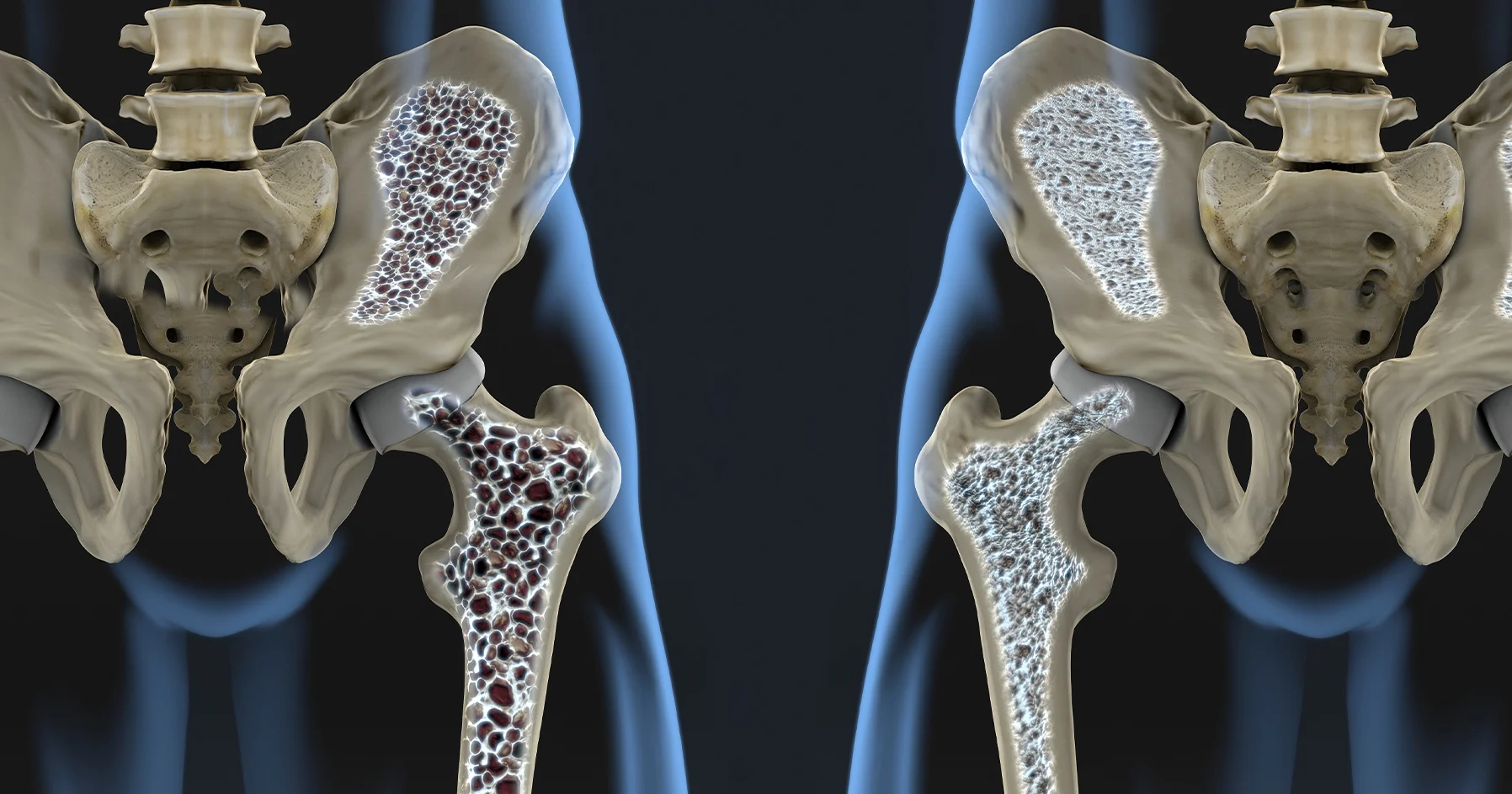
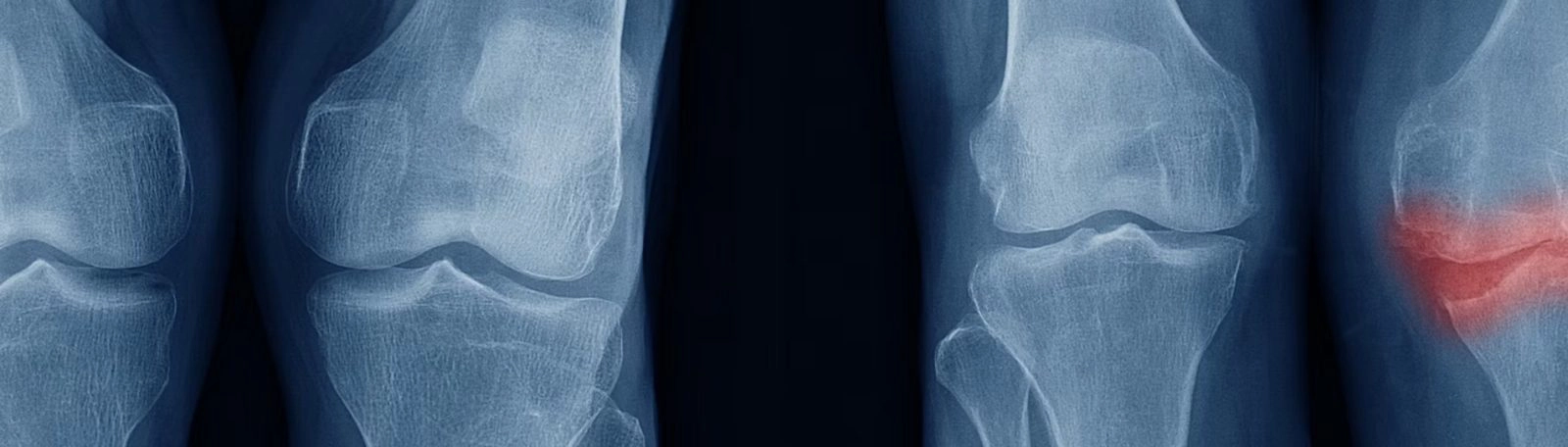
Osteoarthritis and osteoporosis are often mentioned together — but they require almost opposite exercise approaches. Osteoarthritis is a wear-related condition affecting joint surfaces. Osteoporosis is a loss of bone density affecting the skeleton itself.
Osteoarthritis exercise needs to be joint-friendly and low-impact, protecting cartilage that is already compromised. Osteoporosis exercise needs the opposite — safe, progressive loading that actually stimulates bone to remain strong. Getting this distinction wrong is one of the most common reasons generic exercise advice fails people with either condition.
"Osteoarthritis needs movement that protects the joint. Osteoporosis needs loading that strengthens the bone. Treating them the same way helps neither."
Every new client starts with a thorough Movement Assessment. Your specific condition, its severity, and any guidance from your medical team all shape exactly what exercise is appropriate before anything is prescribed.
Common presentations
Each presentation shapes how the programme is built — which is why a thorough assessment matters before any exercise begins.
All exercise is assessed for clinical appropriateness. Please share your diagnosis and any medical guidance with Teejay at your assessment.
Two different strategies
Both conditions benefit enormously from the right exercise. What counts as “right” is genuinely different between them — which is why understanding your specific condition matters before any programme begins.
Osteoarthritis vs osteoporosis — exercise strategy comparison
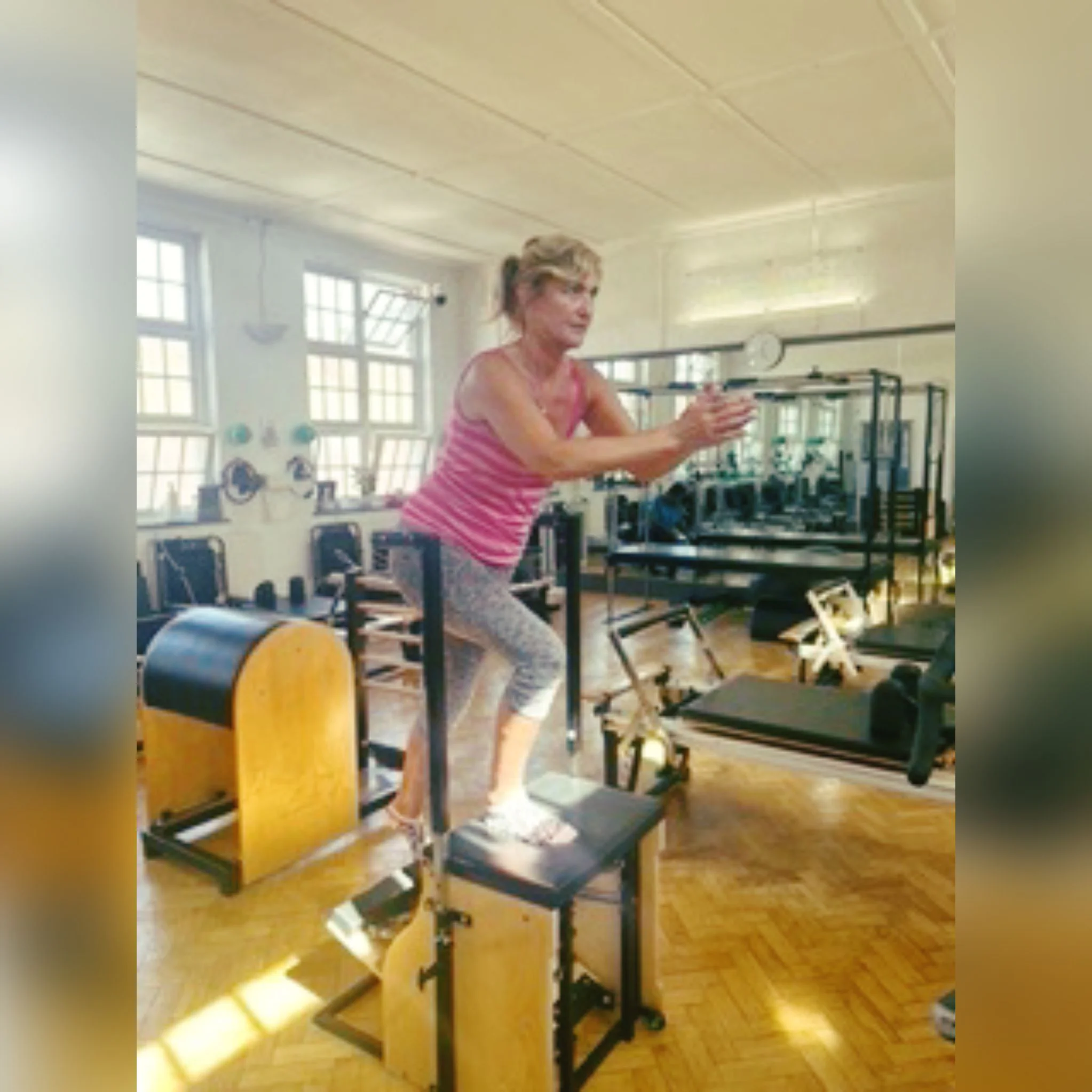
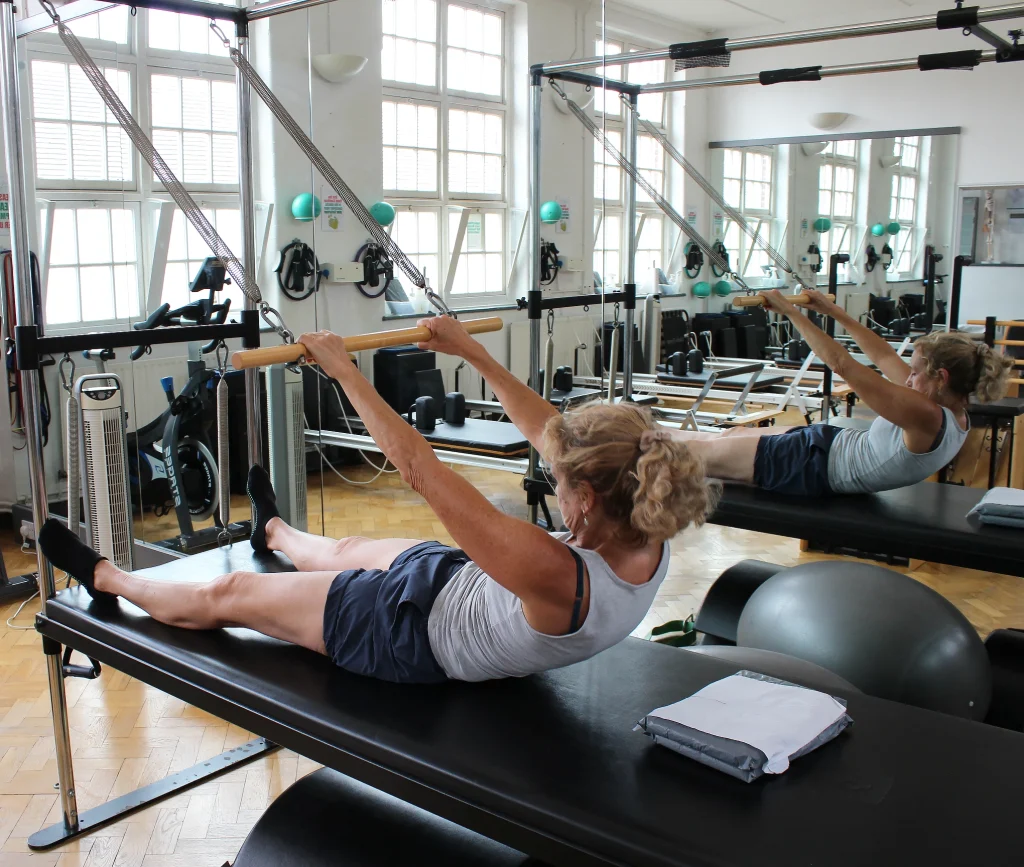
The Reformer’s spring resistance can be adjusted in precise increments — far finer control than free weights. The same apparatus serves both conditions: low-impact, joint-protective loading for osteoarthritis; progressive, bone-stimulating loading for osteoporosis. The difference is in how it is set up and progressed.
Recognising the pattern
Symptoms vary significantly between the two conditions. Osteoporosis often has no symptoms at all until a fracture occurs, which is why diagnosis frequently follows a bone density scan rather than how you feel day to day.
The critical distinction
Generic exercise guidance for osteoarthritis and osteoporosis frequently misses the specific requirements of each condition — sometimes actively making things worse.
Fear after diagnosis often leads to avoiding all exercise. Inactivity accelerates muscle loss and bone density decline in both osteoarthritis and osteoporosis.
Running or high-impact classes can accelerate joint wear when cartilage is already compromised. The wrong type of exercise can do more harm than no exercise at all.
Certain forward-bending exercises — including some standard Pilates and yoga poses — increase vertebral fracture risk in people with low bone density.
Standard gym exercise programmes are rarely designed around either condition. Load management, movement selection and progression need to be specifically tailored.
The treatment pathway
Both conditions respond well to consistent, appropriately progressed exercise. With the right approach at each stage, most clients build strength and confidence safely over time.
Client results
“After my osteoporosis diagnosis I was terrified to exercise at all. Teejay showed me exactly what was safe and progressed me carefully. I feel stronger now than I did before the diagnosis.”
“I have been going to The Sogunro Practice for the past 10 years, doing Applied Pilates twice a week. It makes a huge difference to my overall health, strength and balance.”
“I’d been told my knee osteoarthritis meant I should just rest. Applied Pilates proved otherwise. I have far less stiffness now and I’m walking further than I have in years.”
Getting started
Every client begins the same way — with an honest review of your specific condition. Everything follows naturally from there.
Why trust Teejay Sogunro with your osteoarthritis or osteoporosis exercise
Related pages & information
Common questions
Your £85 Movement Assessment reviews your diagnosis, severity, and medical restrictions before recommending anything. Teejay will explain exactly what is safe for your condition and build a programme around it step by step. Ample free parking on site.
The Sogunro Practice · Applied Pilates & Osteolates Therapy
Unit 5, Hertfordshire Business Centre, Alexander Road
London Colney · St Albans · Hertfordshire · AL2 1JG · Free parking on site