
- HYPERMOBILITY & JOINT INSTABILITY · LONDON COLNEY, ST ALBANS -

Told you're hypermobile and need to build stability?

Excessive joint mobility can lead to instability, injury and long-term joint damage if it isn't properly managed. At The Sogunro Practice in London Colney, we specialise in helping hypermobile clients build genuine joint stability, muscle control and proprioception — not more flexibility, which is rarely what a hypermobile joint actually needs. Ample free parking on site. Free Parking & Directions →

Hypermobility specialist St Albans

STOTT Pilates® certified

Osteolates Therapy

25 years professional · 35 years' experience

Free parking · M25 J22

£85 Movement assessment Identifies which muscles need strengthening, and which joints need stabilising

~20% Of UK adults Research suggests around 1 in 5 people in the UK have hypermobile joints

Specialist methods combined - Osteolates soft tissue treatment + Applied Pilates exercise

"I've been advised that I'm hypermobile and need to improve my joint stability to prevent injuries and early-onset osteoarthritis." That advice is correct — and it is exactly what Applied Pilates is built to do.

Teejay's Approach →

-UNDERSTANDING THE CONDITION

What is joint hypermobility?

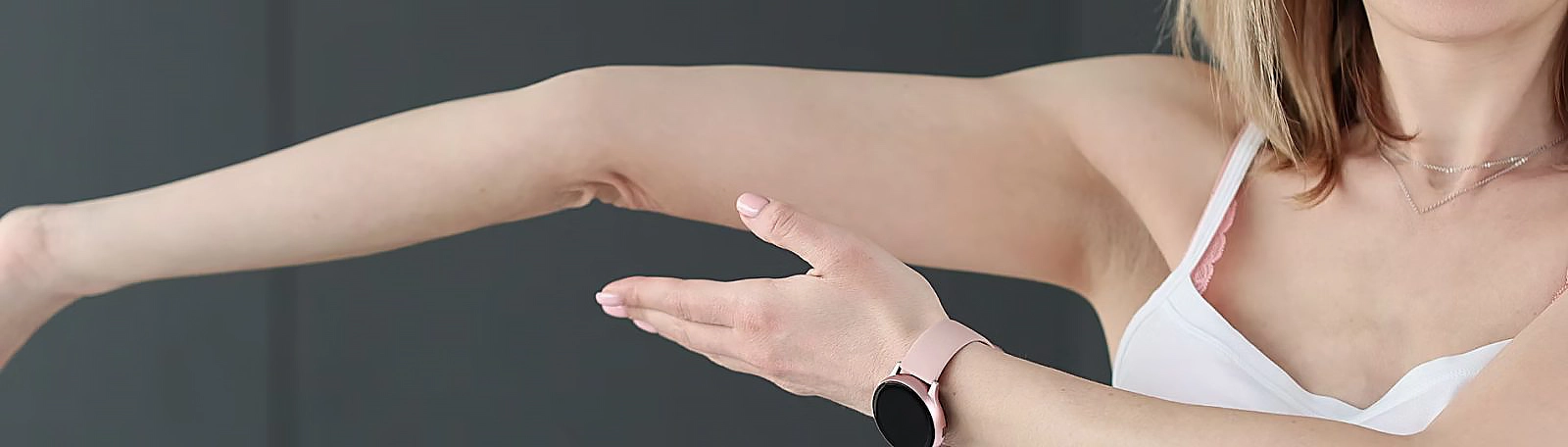
Joint hypermobility means that one or more joints move beyond the normal range of motion. People with hypermobile joints are often described as "double-jointed" or unusually flexible. This happens because the ligaments and connective tissues supporting the joints are more elastic than normal.

Hypermobility is relatively common. In fact, research suggests around 20% of people in the UK may have hypermobile joints, particularly children and young adults. Many people are unaware they are hypermobile and may even use their flexibility to excel in gymnastics, dance, swimming, yoga or martial arts.

However, hypermobile joints can also make people more susceptible to musculoskeletal injuries. Specifically, this includes recurrent sprains, muscle or tendon strains, joint instability, partial or full dislocations, and chronic joint pain. Without appropriate management, long-term joint instability can contribute to accelerated joint wear. As a result, this often leads to early-onset osteoarthritis.

"Flexibility can be a real advantage in sport. But excessive joint mobility without the strength to control it is what leads to instability, injury and long-term joint damage."

Four causes of joint hypermobility

Understanding which factors are contributing to your hypermobility shapes exactly how your programme is built.

GENETIC  Ligament structure -Collagen within the ligaments may be genetically more elastic, allowing joints to move beyond their optimal range.

ADDRESSABLE  Muscle strength & tone Weak or poorly conditioned muscles force joints to rely more heavily on ligaments, allowing excessive movement.

HYPERMOBILITY & JOINT INSTABILITY

INHERITED  Joint structure - Shallow hip or shoulder sockets allow greater range of movement, but also increase the likelihood of instability and dislocation.

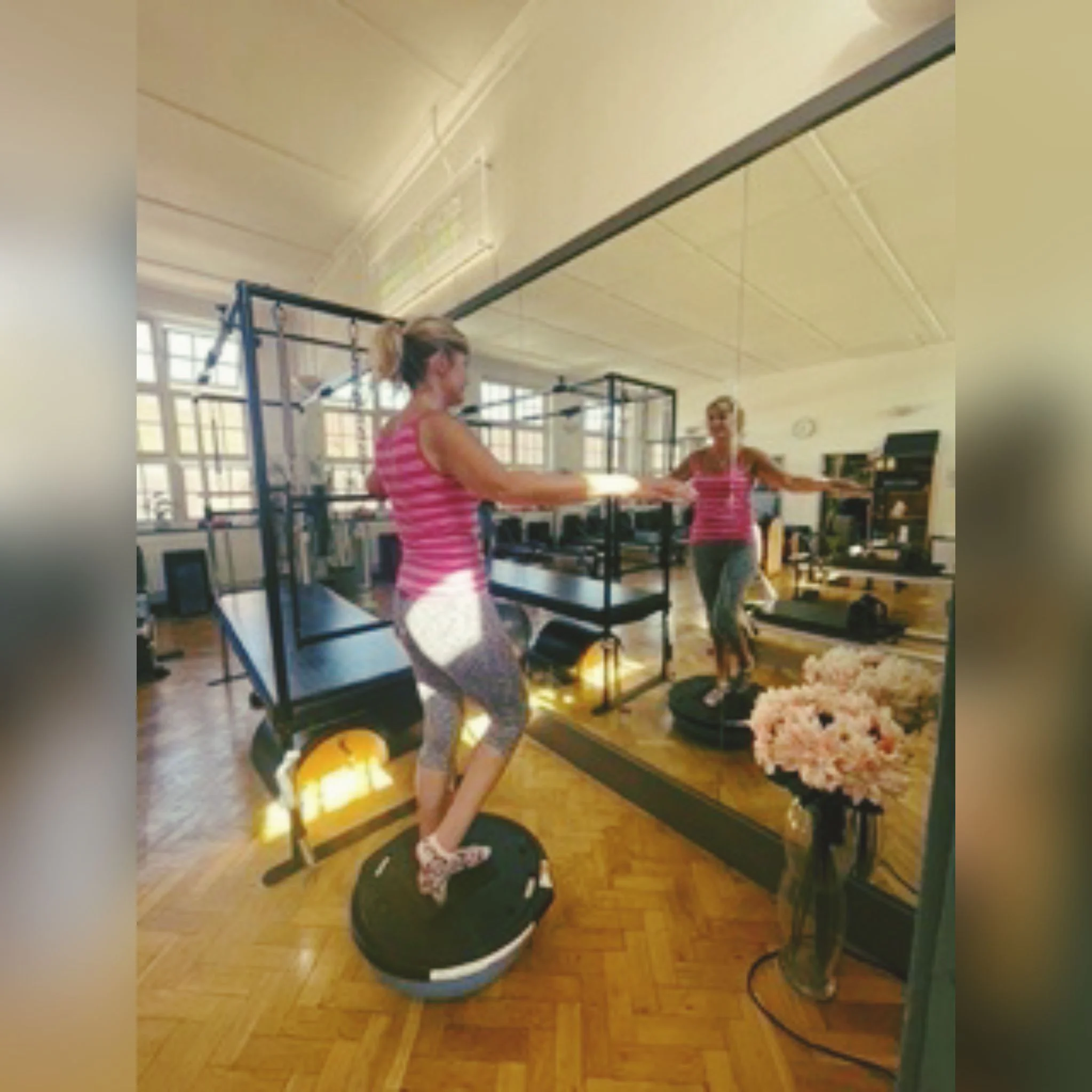
ADDRESSABLE  Proprioception - Reduced joint position awareness means some hypermobile individuals unknowingly move joints into extreme positions.

HYPERMOBILITY & JOINT INSTABILITY

- RECOGNISING THE PATTERN

Hypermobility syndromes -
when it's more than flexible joints

When hypermobility is combined with certain other symptoms, a person may be diagnosed with a hypermobility syndrome. In particular, this is a distinct clinical picture from hypermobility alone. The most common is Joint Hypermobility Syndrome (JHS). This is closely associated with Ehlers-Danlos Syndrome (EDS), a connective tissue disorder affecting collagen and joint stability.

Chronic pain

Recurrent joint injuries or dislocations

Hernias

Persistent fatigue

Digestive problems

Varicose veins

Although ligament and joint structure are largely genetic, muscle strength and proprioception can be improved. Specifically, this happens with the right treatment and exercise programme. With appropriate guidance, people with hypermobility can improve joint stability, reduce injury risk, decrease pain, and protect their joints from long-term damage. As a result, the outlook is genuinely positive.

Why generic exercise rarely works

⚠️  More stretching, not more strength - Hypermobile clients are often told to stretch more, since they feel "tight." However, this typically increases instability rather than resolving it.

⚠️  Generic strength programmes - Every individual with hypermobility presents differently. Age, genetics, activity level and previous injuries all influence how the body responds, so generic programmes rarely work.

⚠️  Ignoring proprioception - Strength alone is not enough if joint position awareness remains poor. Without it, joints can still move into extreme, unsafe positions unknowingly.

- A PERSONALISED APPROACH

Why your assessment matters so much here

Because every hypermobile presentation is different, the assessment is the single most important part of building a safe, effective programme.

What we assess

Joint mobility
Muscle strength
Movement control
Proprioception
Postural patterns

What this identifies

Muscles that need strengthening
Muscles that are tight or overactive
Joints that require improved stability
Movement patterns putting joints at risk
The right starting point for your programme

ℹ Please note: Teejay Sogunro is not a physiotherapist, osteopath, or chiropractor. Applied Pilates and Osteolates Therapy are movement-based rehabilitation services that complement — not replace — medical advice. If you have a diagnosed hypermobility syndrome such as EDS, please consult your GP or specialist before booking.

- THE TREATMENT PATHWAY -

A structured approach to genuine joint stability

Building stability in hypermobile joints follows clear stages. With the right approach at each one, most clients see meaningful improvement in control and confidence.

01

PREPARATION PHASE  Calming overactive, compensating muscles - Hypermobile clients often develop overactive muscles compensating for joint laxity. As a result, these muscles feel chronically tight even though they are not genuinely shortened. Osteolates soft tissue treatment releases this guarding. Therefore, pain reduces and the body is prepared for targeted strengthening. Stretching is deliberately minimised at this stage.

02

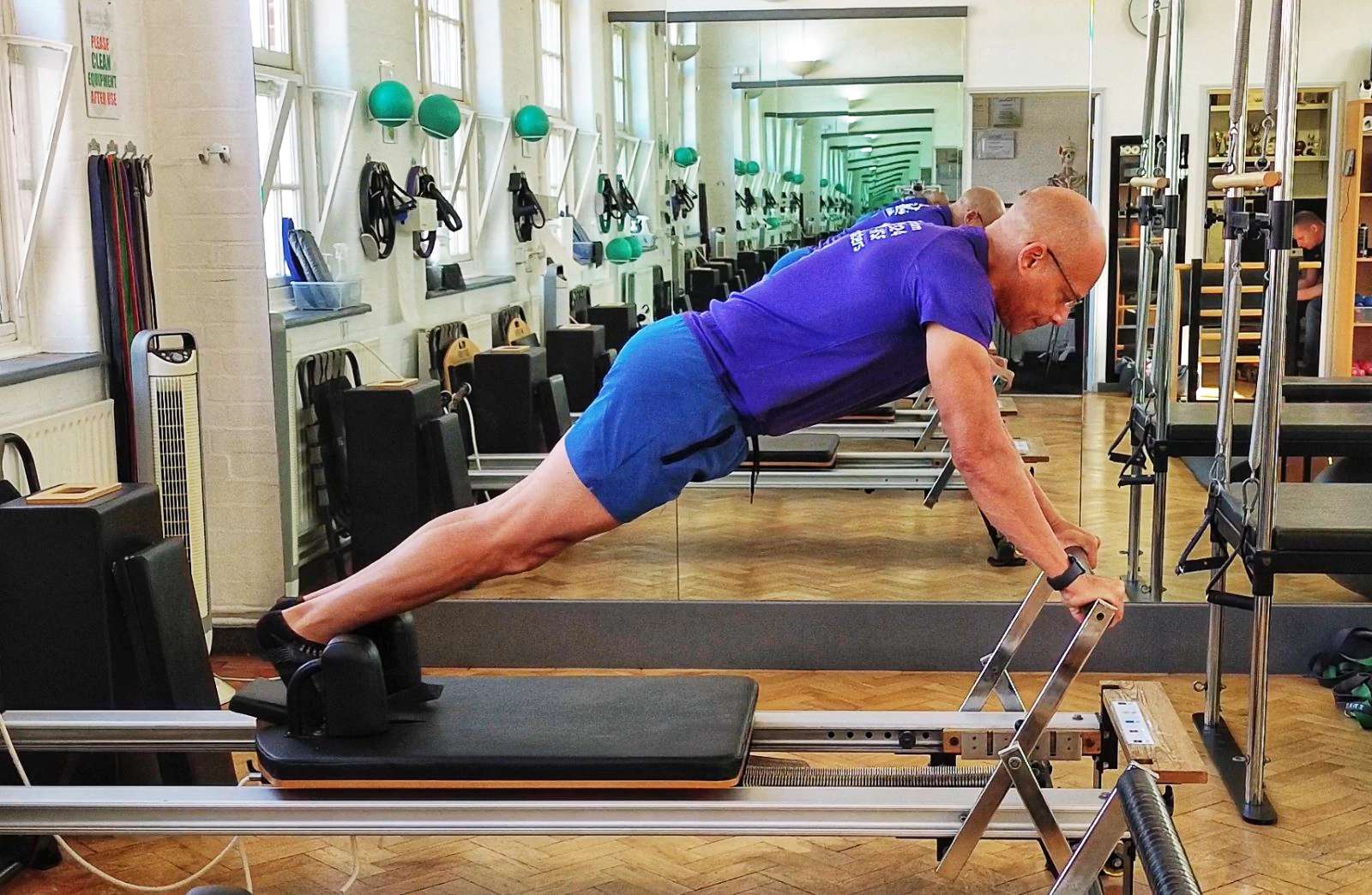
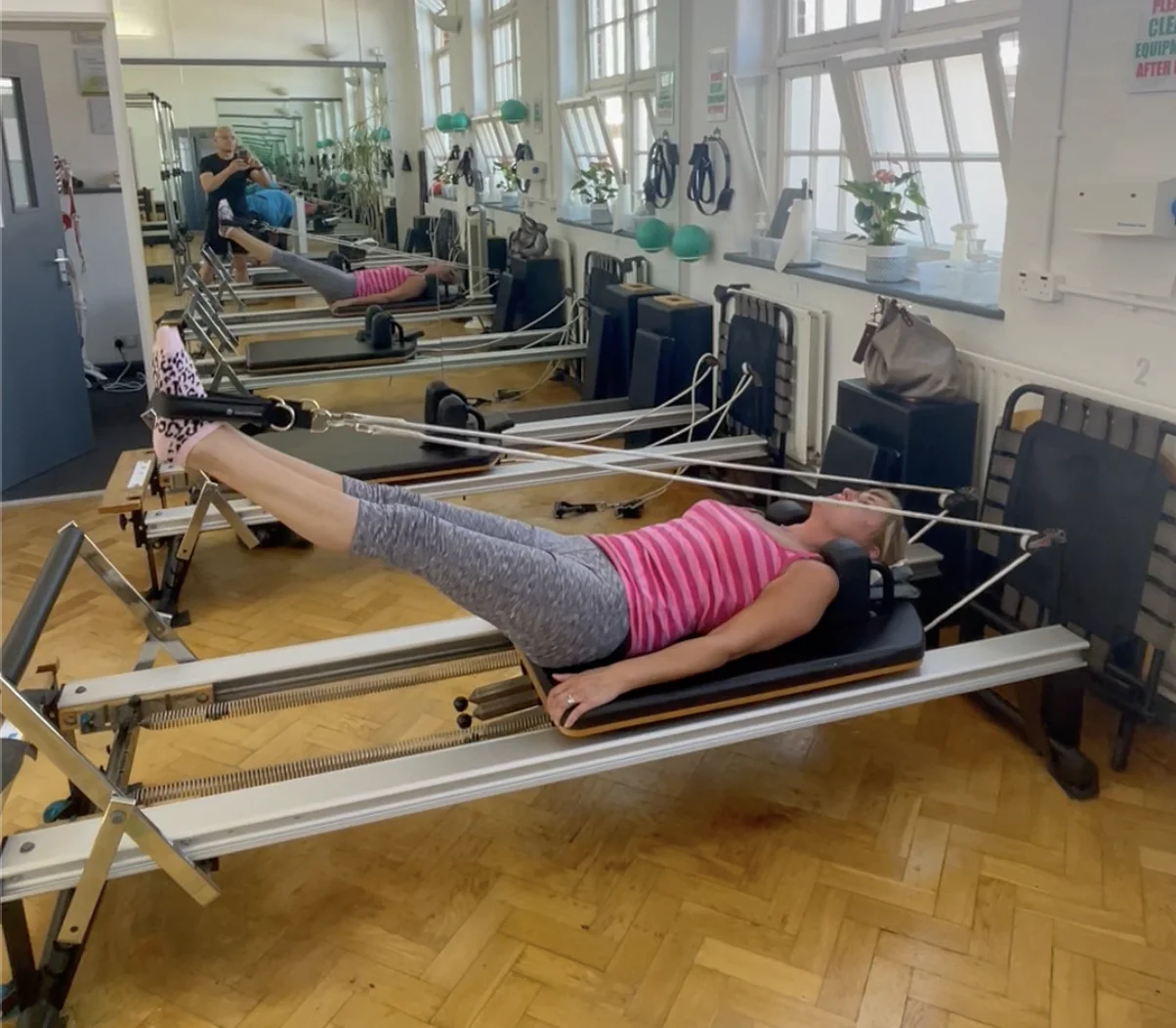
STABILISATION PHASE  Building strength & proprioception - Applied Pilates on the full STOTT Pilates apparatus targets the specific weak muscles identified in your assessment. In addition, it retrains joint position awareness simultaneously. The Cadillac in particular allows controlled, supported work. In other words, this is something a standard reformer-only studio cannot offer.

03

CONFIDENCE PHASE  Strength that protects you long term - As control improves, the programme progresses towards functional movement and your specific activity goals. Because of this, strength translates directly into daily life. Most clients then move to small group membership to maintain joint stability for years, not just months.

WHY THE CADILLAC MATTERS HERE

The Cadillac provides supported, controlled positions. As a result, hypermobile clients can build strength without the joint moving into an unsafe range. As a result, exercises can be precisely tailored to stay within each client's safe zone. Full apparatus studio →→

NOT MORE FLEXIBILITY — MORE CONTROL

The instinct for many hypermobile clients is to stretch more, since they feel tight. However, that usually increases instability. Therefore, the focus is deliberately on strength and control instead.

"Hypermobile joints don't need more range. They need the strength to control the range they already have."  TEEJAY SOGUNRO

- LOOKING FOR HELP? -

Hypermobility & joint stability in London Colney, St Albans

If you are searching for any of the following, our integrated Osteolates and Applied Pilates approach offers a structured, clinically-informed solution.

Hypermobility treatment St Albans Joint hypermobility syndrome exercise Hertfordshire EDS Pilates St Albans Joint instability strengthening London Colney  Proprioception training St Albans 

- CLIENT RESULTS -

What St Albans clients say about building joint stability

★★★★★ Google Reviews · London Colney, St Albans · 4.9 from 117 reviews

★★★★★ 

HYPERMOBILITY

"I'd been told to stretch more for years, and it only made my joints feel less stable. Teejay flipped that completely and focused on strength instead. My knees and shoulders feel genuinely supported now." STACEY CROSS · BUSHEY

★★★★★ 

10 YEARS ATTENDING

"I have been going to The Sogunro Practice for the past 10 years, doing Applied Pilates twice a week. It makes a huge difference to my overall health, strength and balance."JOAN PEARMAN· HARPENDEN

★★★★★ 

RECURRENT DISLOCATIONS

"My shoulder used to dislocate several times a year. Since working with Teejay on stability and control, it hasn't happened once. He understood exactly why generic exercise wasn't helping."— MICHELLE GUST · ST ALBANS

- GETTING STARTED -

Three steps to lasting stability

Every client begins the same way — with an honest assessment of exactly which muscles and joints need attention. As a result, the rest follows naturally from there.

01

Movement Assessment

£85

60 min 1-to-1 with Teejay. We assess joint mobility, muscle strength, movement control and proprioception. No obligation to continue.

Book Assessment→

02

Osteolates + 1-to-1

From £65 + £86/session

Osteolates soft tissue treatment to calm overactive muscles, alongside personalised 1-to-1 Applied Pilates to build strength and control.

View Prices →

03

Small Group Membership 

From £129/month

Once stability and confidence are established, small group membership maintains joint protection long term. Maximum 7 clients.

View timetable→

Call Teejay directly

- WHY TRUST TEEJAY SOGUNRO WITH YOUR JOINT STABILITY -

 STOTT PILATES® Full Comprehensive Certified STOTT PILATES® Rehabilitation Certified Trigger Point Dry Needling Qualified Sports Therapist ✓ Studied BSc (Hons) Osteopathy — Middlesex University  Registered Healthcare Practitioner  25 years professional · 35 years' experience

View full credentials and professional background→  Video about Back Pain & Pilates→

- RELATED PAGES AND INFORMATION -

🔻
CONDITIONS HUB
Back Pain St Albans
Hypermobility, joint pain and all MSK conditions treated at The Sogunro Practice.

All conditions →

💷
PRICING
From £85 assessment
Assessment £85. Osteolates from £65. 1-to-1 from £95. Group membership from £129/mo.

All prices →

🌡️
RELATED CONDITION
Hip & Knee Pain
Joint instability frequently affects the hips and knees specifically.
Hip & knee pain →

📍
RELATED CONDITION
Osteoarthritis & Osteoporosis
Unmanaged joint instability can contribute to early-onset osteoarthritis.
Osteoarthritis & osteoporosis→

🌿
TREATMENT METHOD
Osteolates Therapy
Soft tissue treatment for overactive compensating muscles. From £65.
Osteolates therapy →
 

⚙️
EXERCISE METHOD
Reformer & apparatus
The Cadillac allows controlled, supported strengthening within a safe range.
Apparatus studio →

- COMMON QUESTIONS -

Questions about hypermobility & joint stability

I feel tight, so why shouldn't I stretch more? This is one of the most common misunderstandings with hypermobility. The tightness you feel is usually overactive muscles compensating for joint laxity, not genuinely shortened tissue. Stretching further can increase instability rather than resolve it. Instead, the muscle needs to be calmed through soft tissue treatment, then strengthened for control — not lengthened further.

Is Applied Pilates safe if I have Ehlers-Danlos Syndrome (EDS)? Applied Pilates can be appropriate for many people with hypermobility-related conditions including EDS, when carefully assessed and tailored. However, EDS varies significantly between individuals, and some require specific medical guidance. We recommend consulting your GP or specialist before booking, and we will work within any guidance you have been given.

Can hypermobility actually be improved, or is it permanent? The underlying ligament and joint structure are largely genetic and will not change. However, muscle strength and proprioception, the two factors that determine how well a hypermobile joint is controlled, can be significantly improved with the right exercise programme. As a result, while the joint will always be hypermobile, instability and injury risk can be substantially reduced.

My joints dislocate or sublux regularly. Can this help? Recurrent dislocations or subluxations are usually a sign that the muscles around the joint are not providing sufficient dynamic stability. Targeted strengthening and proprioceptive training, delivered through Applied Pilates on the full apparatus, is specifically designed to address this. If dislocations are frequent or severe, please ensure you have appropriate medical oversight alongside this work.

How much does hypermobility treatment cost in St Albans? All new clients start with the £85 movement assessment. After that, Osteolates Therapy sessions are from £65, 1-to-1 Applied Pilates sessions from £95, and monthly group membership from £129. Full prices and membership options →

Where is the studio | practice and is there parking? The Applied Pilates Centre. Unit 5, Hertfordshire Business Centre, Alexander Road, London Colney, St Albans, AL2 1JG. Ample free parking on site. 2 minutes from M25 junction 22. 10 minutes from London Colney, St Albans, Harpenden, Brick Wood, How Wood, Radlett, Chiswell Green, Barnet, Hendon, Hadley Wood, Cockfosters, North London and Hatfield. Map and directions→

- READY TO BUILD REAL STABILITY? -

Strength your joints can rely on.

Your £85 movement assessment identifies exactly which muscles need strengthening and which joints need stabilising. Teejay will explain your plan clearly and build your confidence step by step. Ample free parking on site. Free Parking & Directions

Call Teejay directly

 07734 578959 

 info@thesogunropractice.co.uk

The Sogunro Practice · Applied Pilates & Osteolates Therapy, London Colney · St Albans · Hertfordshire · Free parking on site

>